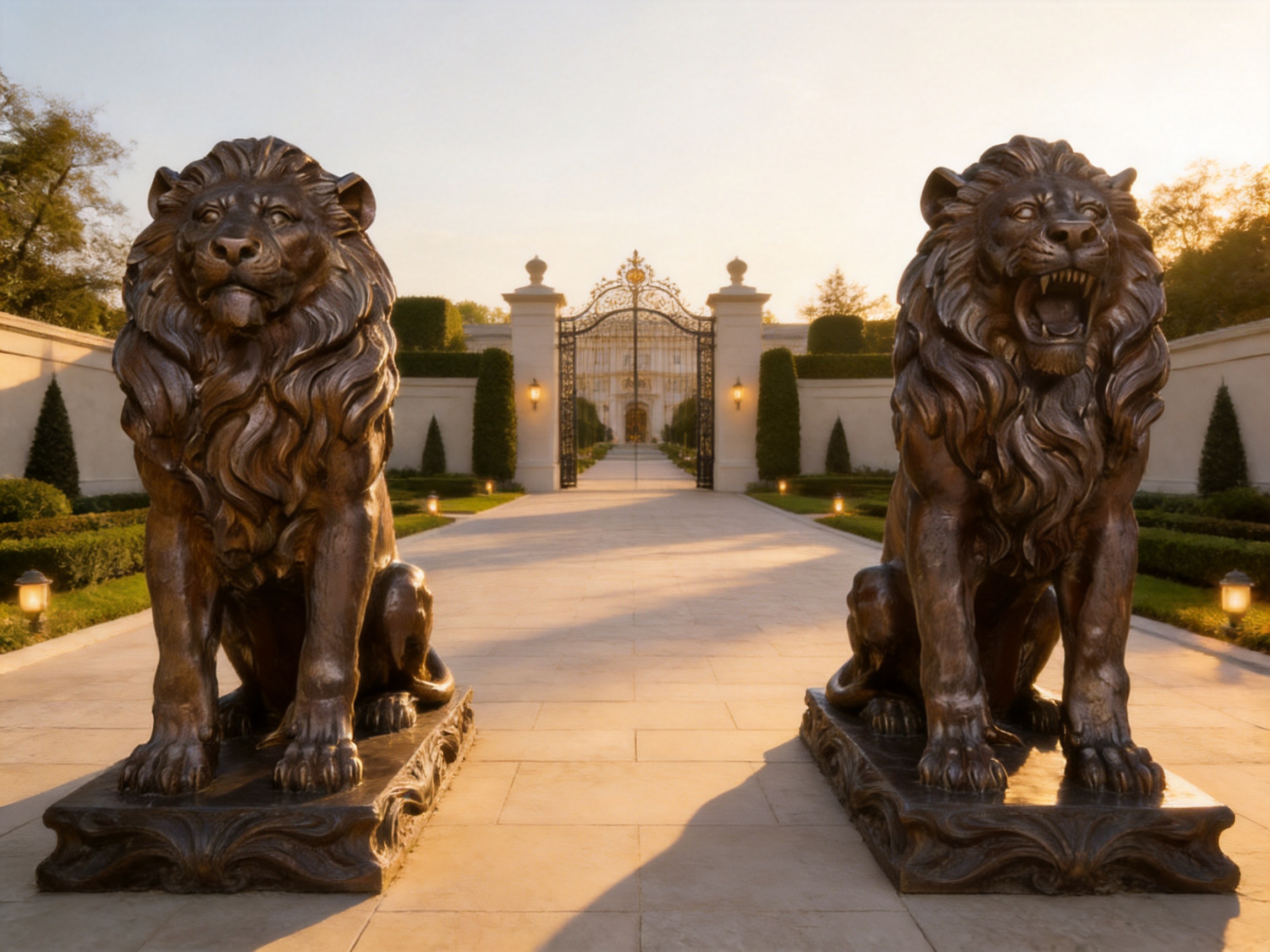
A bronze sitting lion sculpture can transform an entrance, garden, plaza, or estate boundary into a place with unmistakable presence. More than a decorative object, the lion is one of the most enduring symbols of authority, guardianship, courage, and majesty. When presented in a stationary seated posture, it communicates controlled strength rather than uncontrolled movement. It appears watchful, composed, and permanent, making it especially suitable for locations where architecture and landscape design must convey prestige.
This bronze sitting lion sculpture is designed for prominent outdoor placement. With an overall height of approximately 150–180 centimeters including its base and a length of approximately 120–150 centimeters, it has a substantial visual scale without becoming impractical for many entrances, courtyards, gardens, and commercial landscapes. Its quoted price range is USD 7,563.32–11,601.66, depending on the final size, configuration, materials, finishing requirements, and customization details.
The sculpture is categorized as a bronze animal sculpture and is positioned for buyers seeking a combination of artistic character, weather resistance, symbolic value, and long-term outdoor performance. It is particularly appropriate for government and corporate entrances, high-end commercial developments, hotels, private estates, institutions, and formal gardens.
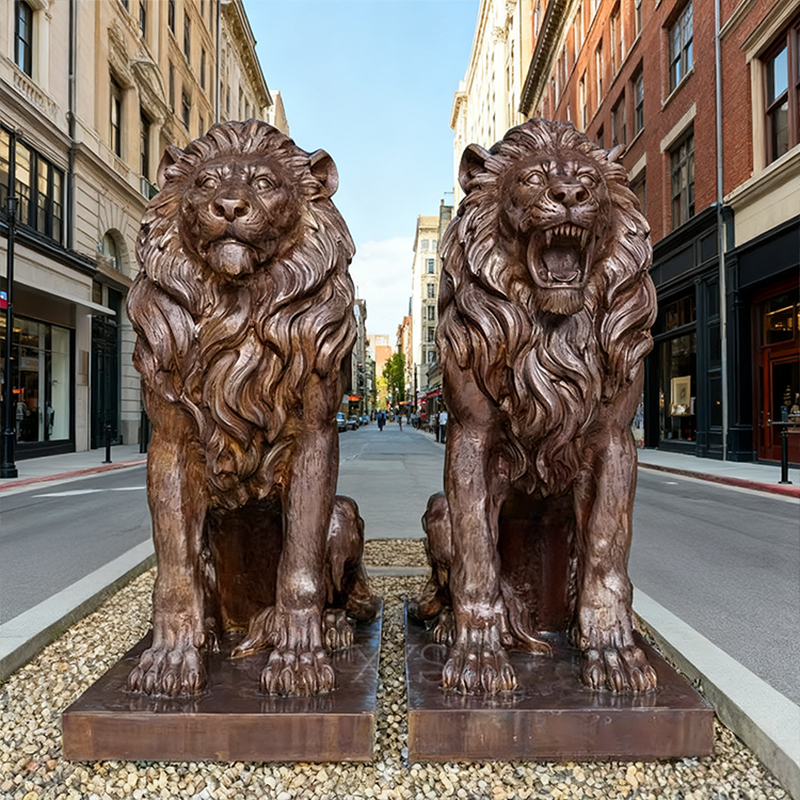
When displayed as a pair—with a sitting lion balanced by a roaring or contrasting counterpart—the installation creates a symmetrical composition with a stronger ceremonial effect. This paired arrangement can define an approach, frame a gate, or establish a visual threshold between public and private space.
Bronze Sitting Lion Sculpture – Classic Garden Decoration
Content
The lion has occupied an important place in architecture, heraldry, public art, and garden design for centuries. Its image is associated with leadership, vigilance, protection, and confidence. These meanings make it more versatile than a purely abstract ornament. A well-designed lion sculpture can support the identity of a property while remaining understandable to visitors from different cultural backgrounds.
The seated pose is especially effective because it balances dignity and strength. A standing lion may suggest readiness to move, while a leaping lion communicates action and drama. A sitting lion has a more stable and monumental character. The broad body, raised head, developed mane, and grounded posture create an impression of permanence. At an entrance, this quality can make a building appear more established and secure.
The sculpture can also be used to guide movement through a space. Two lions placed on opposite sides of an entrance naturally frame the line of arrival. Visitors notice the sculptures before reaching the doors or gate, and the installation gives the approach a deliberate visual rhythm. In a garden, the sculpture may serve as a focal point at the end of a path, beside a fountain, or in front of a formal planting arrangement.
Bronze is well suited to this symbolic subject. Its warm metallic color, natural depth, and ability to hold fine surface detail complement the muscular structure of the lion. The material can appear traditional in a classical garden, refined in a corporate setting, or dramatic against modern stone, glass, and concrete architecture.
| Item | Product Information |
|---|---|
| Product type | Bronze animal sculpture |
| Subject | Sitting lion |
| Recommended presentation | Single installation or paired display |
| Overall height | Approximately 150–180 cm including base |
| Overall length | Approximately 120–150 cm |
| Primary material | Bronze |
| Recommended locations | Government entrances, corporate buildings, commercial plazas, estate gates, hotels, institutions, and formal gardens |
| Quoted price range | USD 7,563.32–11,601.66 |
| Visual character | Classical, authoritative, protective, and monumental |
The stated dimensions allow the sculpture to remain visually prominent without requiring the scale of a monumental public statue. This makes it easier to incorporate into projects with existing architecture and landscaping. The final measurements may vary according to the selected model, base design, paired arrangement, and custom requirements.
One of the main advantages of this sculpture is its bronze construction. Outdoor artworks must withstand changing temperatures, moisture, sunlight, wind, dust, and seasonal weather. A material that performs well in a controlled interior environment may require greater attention when installed outdoors. Bronze is widely selected for public art and landscape sculpture because it combines structural strength with a surface that can develop visual character over time.
The product description emphasizes weather resistance and long-lasting durability. These characteristics are important for buyers who want an installation that remains attractive after years of exposure. The detailed mane, facial expression, body contours, and posture are intended to remain visually readable in an outdoor setting rather than quickly losing definition.
Bronze also offers a greater sense of material value than many low-cost decorative alternatives. Plastic, resin, or thin decorative metal products may be less expensive at the initial purchase stage, but they can lack the weight, depth, tactile quality, and long-term presence expected from a premium landscape installation. A properly made bronze sculpture has a substantial physical character that is immediately noticeable when viewed from close range.
The bronze surface can be finished to support a classical or contemporary design direction. A darker finish may emphasize solemnity and formality, while a warmer brown or aged appearance can integrate naturally with stonework, brick, planting, and traditional architecture. The surface treatment also helps define the raised mane, facial planes, paws, and folds of the body.
Outdoor bronze does not remain visually static. Depending on environmental conditions and maintenance, the surface may develop subtle changes over time. Many buyers consider this a benefit because the sculpture gains a mature, established appearance rather than looking disposable or temporary. Appropriate installation and routine inspection remain important, particularly in coastal, industrial, or highly polluted environments.
The effectiveness of an animal sculpture depends on more than the general outline of the subject. The mane, eyes, nose, mouth, paws, shoulders, chest, and tail must work together to communicate the character of the animal. In a sitting lion, the mane is especially important because it creates the recognizable silhouette and gives the head a sense of authority.
This sculpture is described as preserving detailed mane textures and lifelike expressions. Such details help prevent the work from appearing like a generic symbol. From a distance, the silhouette provides immediate recognition. At closer viewing distances, the surface modeling offers additional interest and rewards visitors who inspect the work carefully.
The stationary posture also creates a strong base. A seated animal distributes its visual mass downward, helping the sculpture feel grounded. The body appears calm and controlled, while the head and facial expression can introduce alertness. This contrast between repose and vigilance is one of the reasons a sitting lion works well beside an entrance.
For a paired display, the relationship between the two sculptures is equally important. The pair may use matching dimensions, mirrored orientations, or contrasting expressions. One lion may appear quiet and watchful while the counterpart appears more forceful or roaring. Together, they create a dialogue between restraint and power. The arrangement can be adjusted to suit the width of a gate, driveway, staircase, or building frontage.
Fiberglass sculptures are often chosen because they are relatively lightweight and can be formed into many shapes. They may be suitable for temporary events, indoor displays, themed venues, or projects where transportation and installation weight are major concerns. However, for a permanent entrance or prestigious outdoor setting, bronze generally provides a more substantial impression.
Bronze offers a stronger association with traditional public art and long-term civic installations. Its weight can provide greater stability when properly mounted, while its surface has a depth and material richness that painted fiberglass may not reproduce. Fiberglass can also require more frequent attention to paint, coating, and surface damage when exposed to intense sunlight, impact, or changing weather.
The bronze sitting lion is therefore better suited to buyers who are prioritizing permanence, authority, and a premium tactile experience rather than the lowest initial weight or cost. It is a long-term architectural feature, not merely a lightweight decorative prop.
Stainless steel is valued for its clean lines, reflective appearance, corrosion resistance, and suitability for contemporary sculpture. It performs particularly well in modern plazas and minimalist architectural environments. However, a polished stainless steel lion can create a very different visual message from a bronze lion.
Bronze produces warmth, depth, and historical association. Its less reflective surface is often easier to integrate with formal landscaping, stone entrances, heritage architecture, and classic estate design. It can make the sculpture appear more monumental and less dependent on changing reflections or surrounding colors.
For a project seeking a prestigious but traditional atmosphere, the bronze sitting lion may offer a more appropriate balance. The choice is ultimately based on architectural language, but bronze has a distinct advantage when the desired result is dignity, ceremonial presence, and timeless character.
Marble is admired for its natural veining, bright surface, and connection with classical sculpture. It can be exceptionally beautiful in formal gardens and historic environments. Nevertheless, marble is a stone material with different handling and maintenance considerations. It can be heavy, vulnerable to certain impacts, and visually less suitable for some settings where a darker, warmer material is preferred.
Bronze can reproduce complex animal contours without relying on a pale stone surface. The material allows the mane and facial features to be emphasized through patina and tonal contrast. Bronze may also be more adaptable for a paired entrance arrangement where the sculptures need to balance visual weight without appearing overly bright.
Weathering steel is popular in contemporary landscape design because its rust-colored surface creates a strong relationship with plants, concrete, and modern architecture. It is often used for abstract forms, screens, signage, and geometric installations. A bronze lion, however, carries a more figurative and traditional identity.
Weathering steel communicates industrial simplicity and evolving surface texture. Bronze communicates craftsmanship, heritage, and sculptural detail. For a lion with a carefully modeled mane and lifelike expression, bronze is particularly effective because its surface can preserve subtle changes in relief that may be less visible in a flat or heavily weathered finish.
Mass-produced statues may offer lower prices, limited size choices, and faster availability. They can be practical for casual residential decoration or short-term landscaping. Their limitations often become more obvious when they are placed at a large public entrance where visitors view them from multiple directions and from relatively close range.
A purpose-made bronze sculpture offers greater opportunity to control dimensions, composition, base proportions, finish, and paired placement. The added value lies not only in the material but also in the way the sculpture is expected to function within a complete architectural environment.
The manufacture of a bronze animal sculpture requires more than simply forming a recognizable outline. A successful result depends on design development, sculptural modeling, mold preparation, bronze casting, surface refinement, assembly, finishing, and quality inspection. Each stage affects the final expression and durability of the work.
The first stage is the development of the lion’s proportions, posture, expression, and relationship to its intended site. For a sitting lion, the design must account for the angle of the head, the width of the shoulders, the placement of the paws, the shape of the mane, and the visual weight of the base. A sculpture placed beside a gate may require a different viewing angle from one installed in a garden clearing.
For a paired display, the two sculptures must be considered as a coordinated group. Their height, orientation, distance from one another, and relationship to the entrance should be reviewed before fabrication begins. A balanced pair can make a driveway or façade appear more formal and complete, while an unbalanced pair may weaken the intended effect.
The modeling stage establishes the character of the lion. Sculptors refine the anatomy and surface so that the animal looks powerful without becoming exaggerated or artificial. The mane is developed in layers, with controlled variation in direction and depth. Facial features are shaped to produce a clear expression at both near and medium viewing distances.
Details must be sufficiently pronounced to survive the casting and finishing stages. At the same time, the surface should not become excessively busy. The goal is a coherent balance between broad forms that define the animal and smaller textures that create lifelike interest.
Once the model is approved, a mold is prepared for casting. Bronze casting allows complex three-dimensional forms to be reproduced, including undercuts, flowing mane textures, curved paws, and layered body contours. The manufacturing team must manage the mold structure, casting passages, wall thickness, and cooling behavior to reduce the risk of defects.
Because bronze is a dense and valuable material, controlled casting is important for both structural reliability and cost management. The final sculpture must have sufficient strength for handling, transportation, installation, and outdoor service. The foundry process should also preserve the expressive details established during modeling.
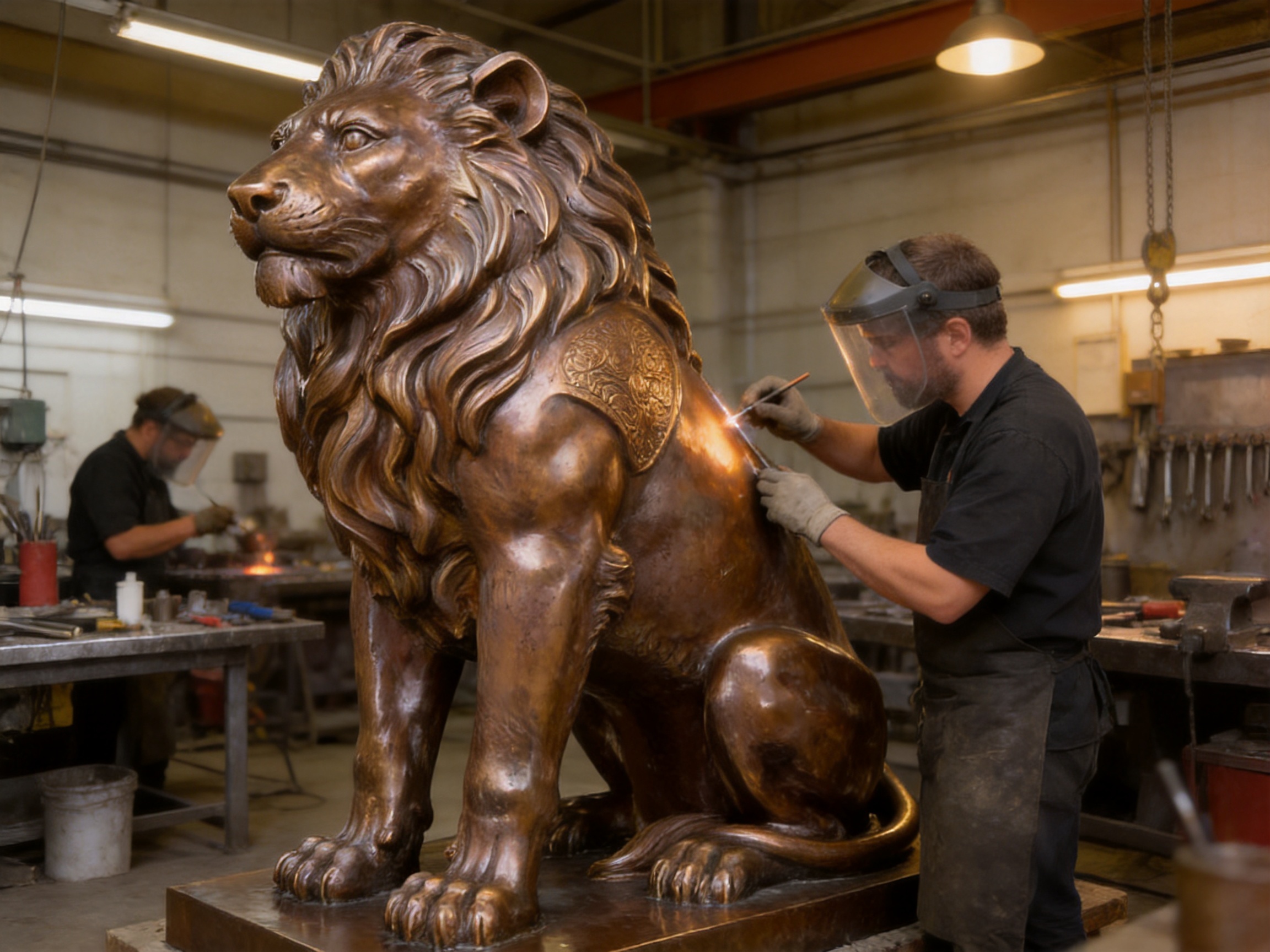
Large sculptures are commonly produced in sections that are later assembled. This approach can make molding, casting, transportation, and handling more practical. After casting, sections are carefully fitted and joined. Welded areas are then refined so that the overall surface reads as one continuous sculpture.
Grinding and chasing remove unwanted irregularities and restore details that may require refinement after assembly. This stage is particularly important around the mane, facial features, paws, body transitions, and base connection. A carefully finished sculpture should not appear like a collection of separately manufactured parts.
Patination gives bronze its final visual identity. Controlled chemical and heat treatments can create darker, warmer, or more varied surface tones. The finishing process helps reveal modeling and can make the sculpture harmonize with stone, vegetation, metal gates, or architectural façades.
A protective finish may be applied according to the intended environment and appearance. The product description emphasizes resistance to oxidation and fading, which is valuable for outdoor installations. Buyers should discuss the expected climate, exposure level, desired patina, and maintenance plan with the manufacturer before confirming the final finish.
Before delivery, the sculpture should be checked for surface consistency, dimensional accuracy, assembly quality, base compatibility, and visible casting or finishing issues. Packaging is also important because bronze sculptures can be damaged by impact, abrasion, or inadequate support during transportation.
The manufacturer's product focus includes custom European-style sculpture and custom-designed metal statues. This indicates a production direction that can support projects requiring more than an off-the-shelf decorative object. Buyers should provide drawings, site dimensions, reference images, and installation requirements so the production team can evaluate the project accurately.
Jiangsu Xinyesheng Sculpture Co., Ltd. is identified as a China-based sculpture manufacturer and supplier of custom metal statues and European-style sculpture. Its product categories include bronze sculptures, stainless steel sculptures, marble sculptures, fiberglass sculptures, and weathering steel sculptures. This range is important because it gives project buyers access to different material solutions through one manufacturing source.
A manufacturer working across several sculpture materials can compare the practical differences between bronze, stainless steel, marble, fiberglass, and weathering steel. This is useful when a buyer has a strong design concept but is uncertain which material will best meet the requirements for appearance, budget, weather exposure, weight, or installation.
The company's stated focus on custom design is also relevant to entrance installations. A standard lion may be suitable for some projects, but other buyers may require a specific height, base profile, orientation, surface color, or paired composition. A custom manufacturing discussion can address these factors before production begins.
Customization may include adjusting the total height, changing the base, adapting the lion's pose, modifying the mane or expression, developing a mirrored pair, and coordinating the finish with surrounding materials. The exact scope depends on the project and should be confirmed through technical drawings and quotations.
For commercial and institutional buyers, communication is a major part of manufacturing strength. A clear process should cover product selection, dimensions, material, finish, packaging, delivery, installation requirements, and maintenance recommendations. Providing accurate information at the beginning reduces the possibility of unexpected changes later in the project.
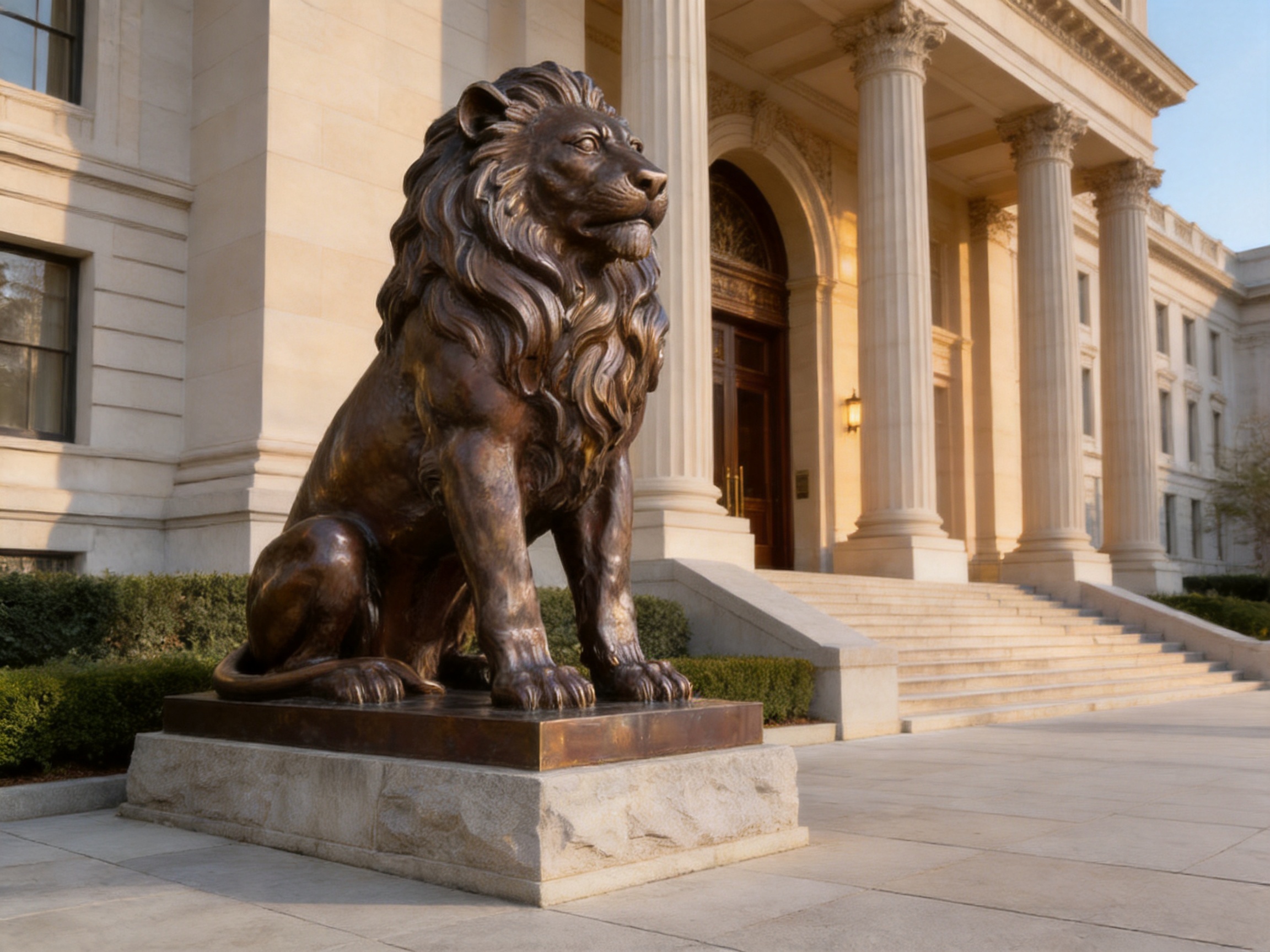
At a government or civic building, the lion can reinforce a formal and authoritative atmosphere. Its symbolic association with protection and leadership makes it suitable for a forecourt, gate, staircase, or central approach. A paired arrangement can create a ceremonial route while maintaining a sense of order and symmetry.
Corporate buildings often use sculpture to communicate stability, ambition, and long-term confidence. A bronze sitting lion can serve as a recognizable landmark for visitors and employees. When positioned near the main entrance, it may become part of the organization’s visual identity without relying on temporary signage or decoration.
High-end commercial plazas, resorts, and hotels benefit from memorable landscape features. The sculpture can help create a sense of arrival and distinguish the property from ordinary commercial environments. Bronze works especially well with stone paving, water features, warm lighting, and formal planting.
At a private estate, the lion can express elegance and protection while strengthening the relationship between the gate and the main residence. A single sculpture may be used as a focal point, while a matched pair can frame a driveway or entrance arch. The dimensions should be reviewed carefully so the sculpture is prominent without overwhelming the gate structure.
Schools, museums, clubs, cultural facilities, and historic-style gardens can use the sculpture to establish a classical visual theme. It can be placed at the end of a central path, beside a major staircase, or near an important building axis. The seated posture allows the work to remain dignified in locations where a highly dynamic pose might appear too theatrical.
Successful installation begins with site planning. Buyers should determine whether the sculpture will be viewed primarily from the front, from an angled approach, or from several directions. The lion's head and expression should face the most important circulation route, while the base should be proportionate to nearby paving, walls, planting, and architectural elements.
The ground must be capable of supporting the sculpture and its base. A stable foundation is particularly important for outdoor works placed near driveways, public walkways, or areas exposed to strong wind. The exact anchoring method should be determined by the installer or structural professional based on the sculpture's weight, base construction, local ground conditions, and applicable safety requirements.
Drainage should also be considered. Water should not remain trapped around the base or in recessed areas of the sculpture. A well-planned setting can reduce standing moisture and make routine maintenance easier. In cold climates, the installation should account for freeze-thaw conditions and the movement of surrounding paving or soil.
Lighting can substantially improve the appearance of the bronze surface. Warm, directional lighting can reveal the mane and facial expression at night, while softer general lighting can present the pair as part of the entire entrance composition. Light fixtures should be positioned to avoid harsh glare and should be accessible for maintenance.
Planting should support rather than conceal the lion. Low planting can frame the base, while taller plants can create a background that contrasts with the silhouette. The sculpture should remain visible from the intended approach. Excessively dense vegetation may hide important details and reduce the visual authority of the installation.
Bronze is durable, but no outdoor material is entirely maintenance-free. Routine inspection helps identify dust accumulation, bird residue, moisture retention, accidental impact, or changes in the protective surface. Cleaning should generally be performed with methods appropriate for bronze and the specific finish selected during production.
Avoid abrasive tools and harsh chemicals unless they have been confirmed as suitable by a qualified conservator or the manufacturer. Aggressive cleaning can remove patina, change the surface tone, or create uneven patches. Soft cleaning methods and periodic professional evaluation are preferable for a high-value sculpture.
The base and anchoring points should also be inspected. The sculpture may remain visually attractive while problems develop at the connection between the base and foundation. Checking for movement, cracks in surrounding concrete, loose hardware, or drainage issues can help preserve both safety and appearance.
Coastal environments, areas with heavy air pollution, and locations exposed to road salt may require more frequent care. Buyers should communicate the installation environment when ordering so that the manufacturer can recommend an appropriate finish and maintenance schedule.
Before requesting a final quotation, buyers should prepare as much project information as possible. Useful information includes the intended location, preferred height and length, whether the sculpture will be displayed alone or as a pair, the desired viewing direction, reference images, base requirements, finish preference, delivery destination, and estimated installation date.
The listed size range of 150–180 centimeters in height including the base and 120–150 centimeters in length provides a useful starting point. However, the correct scale depends on the entrance width and the distance between the sculpture and the viewer. A sculpture that looks ideal in a product image may appear too small beside a large gate or too dominant in a compact garden.
For a paired display, symmetry should be discussed from the beginning. Buyers should specify whether they require identical lions, mirrored orientations, or a sitting lion combined with a roaring counterpart. The spacing and angle of the pair may influence the required dimensions and base design.
Price should be evaluated in relation to the complete project rather than viewed as the only purchasing factor. The quoted range of USD 7,563.32–11,601.66 may vary based on size, bronze quantity, modeling complexity, finishing, base construction, packaging, shipping, and customization. A detailed quotation should identify what is included and what may be calculated separately.
International buyers should also confirm packaging standards, export arrangements, delivery terms, import requirements, insurance, unloading responsibilities, and local installation. These logistical details are especially important for a substantial bronze sculpture intended for a permanent public or commercial site.
The value of the bronze sitting lion comes from the combination of symbolism, craftsmanship, material performance, and site impact. It is not merely a decorative animal figure. It can define an entrance, support a property’s identity, communicate protection, and create a lasting landmark for visitors.
Compared with lightweight or mass-produced alternatives, bronze offers a more substantial presence and a stronger relationship with established sculpture traditions. Compared with highly reflective or industrial materials, it provides warmth and visual depth. Compared with pale stone, it offers a darker, more adaptable surface that can emphasize detailed modeling.
The manufacturer's ability to work with multiple sculpture materials and custom European-style designs may also benefit buyers managing a broader landscape or architectural project. A client can evaluate the lion within the context of other proposed sculptures, material finishes, and site features rather than treating it as an isolated purchase.
Most importantly, the paired display concept gives the product architectural usefulness. A single lion can act as a focal feature, but two coordinated lions can organize an entrance. Their symmetry creates a clear sense of order, while the contrast between a stationary pose and a roaring counterpart adds visual energy without sacrificing dignity.
The sculpture is made from bronze. Bronze is selected for its strength, outdoor suitability, visual depth, and ability to preserve detailed sculptural modeling.
The stated dimensions are approximately 150–180 centimeters in height including the base and 120–150 centimeters in length. Final dimensions can depend on the selected version and customization requirements.
Yes. It is intended for outdoor environments such as entrances, estate gates, plazas, gardens, and institutional landscapes. The product description emphasizes weather resistance and long-lasting durability. Proper installation and routine care are still recommended.
The product can be considered for either a single display or a paired installation. The described paired display uses symmetry and may combine a stationary sitting lion with a roaring counterpart. Buyers should confirm the exact configuration when requesting a quotation.
The lion commonly represents authority, courage, guardianship, protection, dignity, and majesty. These associations make the sculpture appropriate for formal entrances and properties that want a strong, established visual identity.
Bronze generally provides greater weight, material depth, permanence, and premium outdoor character. Fiberglass may be useful where low weight or lower initial cost is the priority, but bronze is often better suited to permanent, prestigious installations.
Stainless steel tends to create a bright, reflective, and contemporary appearance. Bronze offers warmth, a classical association, and a less reflective surface that can integrate well with formal gardens, stonework, and traditional architecture.
The manufacturer is identified as a supplier of custom-designed metal statues and European-style sculpture. Potential customization may include size, pose, base, finish, orientation, and paired composition. The available options should be confirmed with technical drawings before production.
Provide the desired dimensions, installation location, single or paired display preference, reference images, finish requirements, base details, delivery destination, and intended schedule. Site photographs or drawings can help the manufacturer assess proportions and installation needs.
The provided price range is USD 7,563.32–11,601.66. The final price may depend on size, bronze quantity, design complexity, finish, base, customization, packaging, shipping, and other project requirements.
Inspect it periodically, remove surface dirt using suitable non-abrasive methods, keep drainage clear, and check the base and anchoring points. Harsh chemicals and abrasive tools should be avoided unless approved by a qualified professional.
The manufacturer is located in Jiangsu Province, China. The listed company is Jiangsu Xinyesheng Sculpture Co., Ltd., a supplier of bronze, stainless steel, marble, fiberglass, and weathering steel sculptures.
The bronze sitting lion sculpture is a strong choice for buyers seeking a durable, symbolic, and visually authoritative landscape installation. Its seated posture communicates calm strength, while the detailed mane and lifelike expression give it character at both distant and close viewing ranges. Bronze construction supports a substantial presence and a long service life in outdoor settings when the sculpture is properly installed and maintained.
Its greatest architectural advantage is its flexibility. It can stand alone as a landmark or be used with a counterpart to create a symmetrical gateway composition. It can complement government and corporate buildings, luxury plazas, hotel entrances, estate gates, formal gardens, and institutional landscapes.
Supported by a manufacturer working across several sculpture materials and offering custom metal statue production, the product can be adapted to the practical and aesthetic needs of individual projects. For buyers who value permanence, classical elegance, protective symbolism, and detailed craftsmanship, this bronze sitting lion provides a compelling alternative to lightweight fiberglass, reflective stainless steel, pale marble, industrial weathering steel, and mass-produced decorative figures.
1. Product information supplied for the bronze sitting lion sculpture, including dimensions, price range, material, applications, and design characteristics.
2. Product category information covering bronze, stainless steel, marble, fiberglass, and weathering steel sculptures.
3. Manufacturer information supplied for Jiangsu Xinyesheng Sculpture Co., Ltd., including custom metal statue and European-style sculpture capabilities.
4. General principles of outdoor sculpture planning, bronze maintenance, landscape integration, and architectural entrance design.
5. General references on the historical symbolism of lions in architecture, public art, heraldry, and formal garden design.
Bronze Sitting Lion Sculpture – Classic Garden Decoration
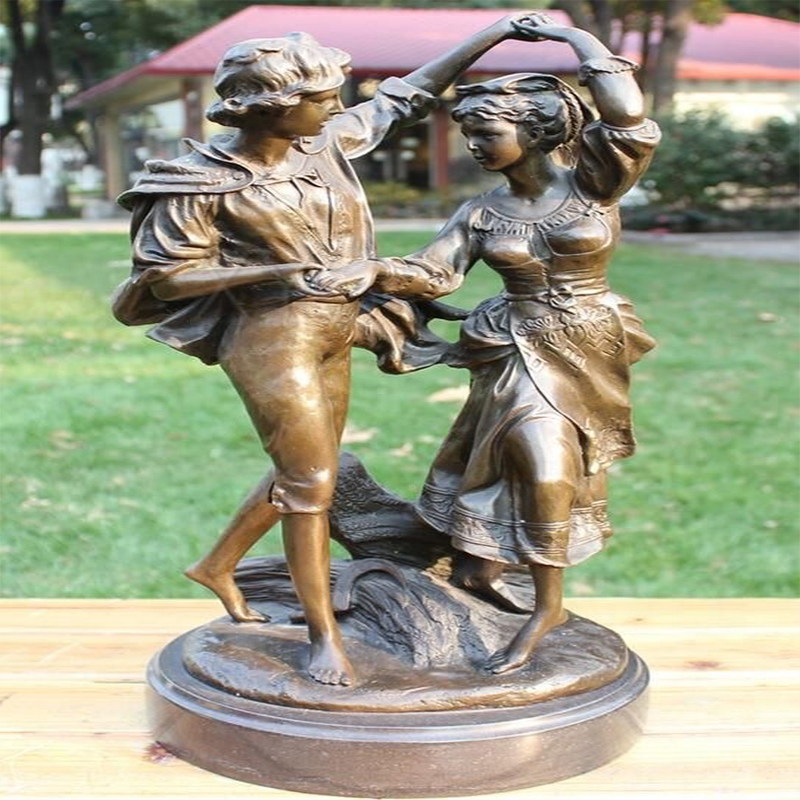 Bronze Life-Size Dancing Couple Sculpture – Heart Figure for Park Decoration
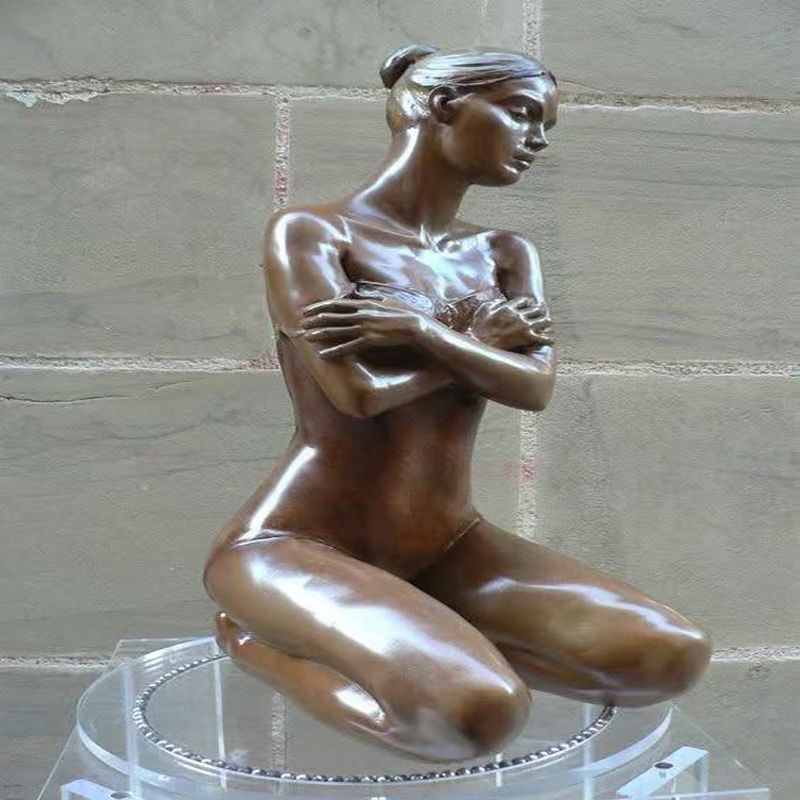 Bronze Female Nude Sculpture – Garden Decoration
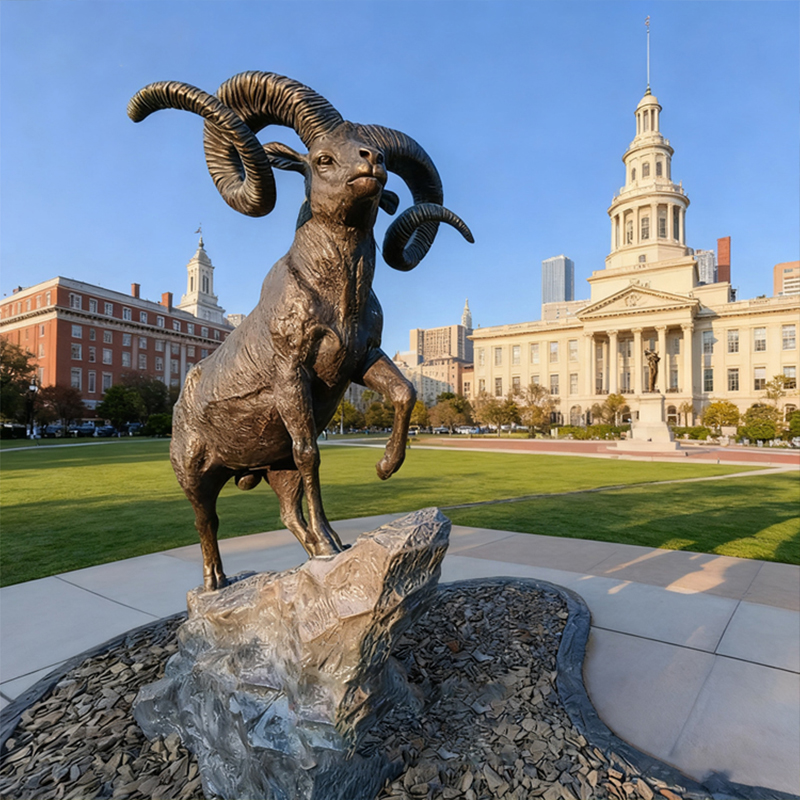 Bronze Big Horn Ram Sculpture – Outdoor Garden Decoration
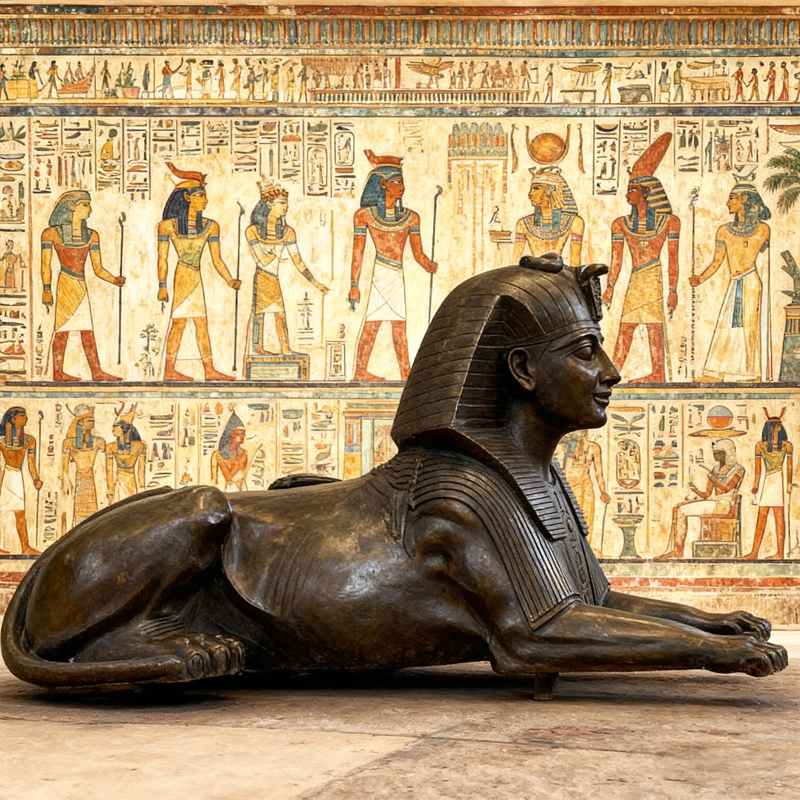 Bronze Large Sphinx Sculpture – Ancient Egyptian Mythology
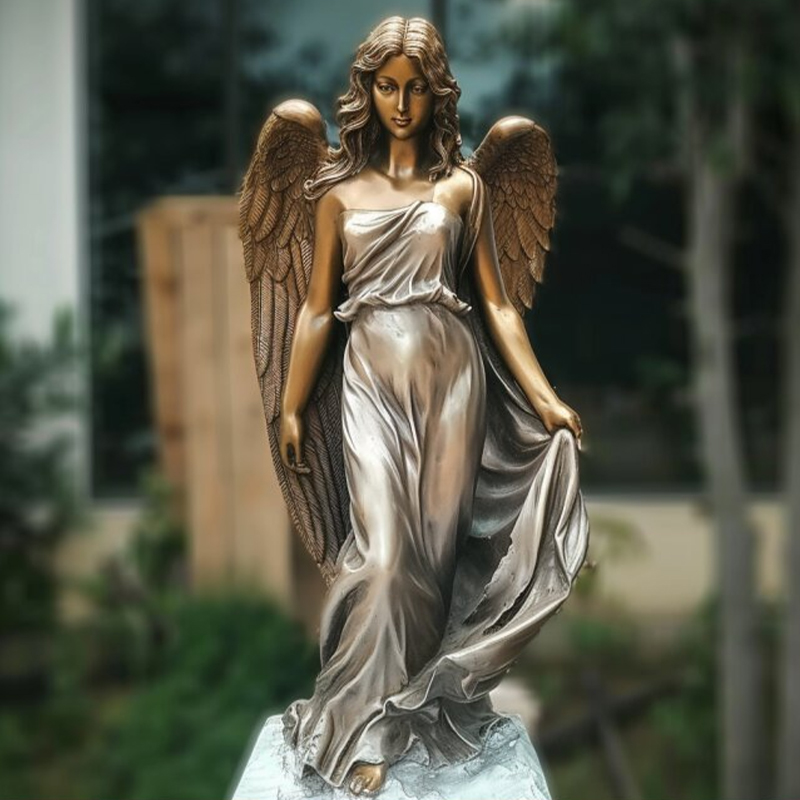 Bronze Angel Sculpture



Daniel H.

Amanda R.

Robert B.

Jennifer S.

James W.

Barry G.

Michael T.

Emily K.

David L.

Sarah M.


Mikey XV

Jagxue

 English
 Español
 عربى
عربى Français
 italiano
 Deutsch